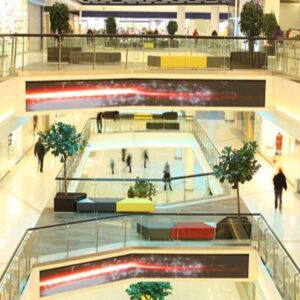


Dans les tournois mondiaux d'esports, le public ne mesure plus le succès uniquement par les cagnottes ou les joueurs vedettes. Les téléspectateurs jugent les événements en fonction de leur immersion, lisse, et fiable, l'expérience visuelle est ressentie, à la fois à l'intérieur de l'arène et lors des diffusions en direct. Au centre de cette expérience se trouve le principal acteur de l'esport écran LED de scène.
Pour un tournoi avec des centaines de milliers voire des millions de spectateurs simultanés, une seule chute d'image, erreur de synchronisation, ou l'interruption du signal devient instantanément visible. Contrairement aux événements en direct conventionnels, le contenu esports est intrinsèquement numérique, rapide, et très sensible à la latence et aux artefacts visuels. Par conséquent, l'écran LED de la scène principale ne fonctionne pas simplement comme arrière-plan : il devient un système essentiel à la mission.
Du point de vue d’un fournisseur d’écrans LED modulaires, atteindre une norme « zéro défaillance » nécessite plus qu'une luminosité élevée ou un pas de pixel fin. Cela nécessite une architecture technique complète qui donne la priorité au taux de rafraîchissement, précision de synchronisation, contrôle de latence, et protection redondante des signaux. Cet article détaille la liste de contrôle technique essentielle derrière les étapes d'esports de haut niveau et explique comment l'assurance au niveau matériel élève les expériences de visionnage sur site et en direct à leur apogée..
Pourquoi les écrans LED de la scène principale d'Esports sont confrontés à des demandes sans précédent
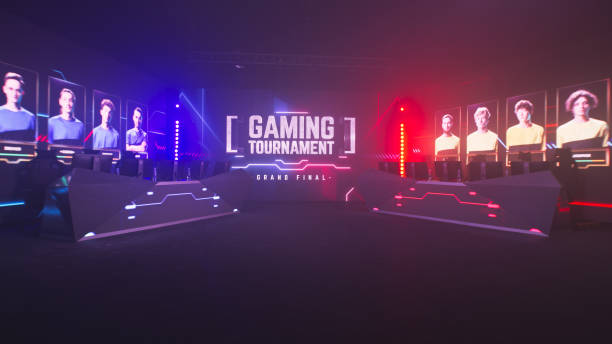
L'esport diffère fondamentalement des concerts, conférences, ou des événements sportifs traditionnels. Le contenu visuel affiché sur l'écran LED de la scène principale reflète souvent le flux de jeu en direct, statistiques en temps réel, rediffusions, et transitions cinématographiques. Toute incohérence entre ce que vivent les joueurs, ce que le public voit sur place, et ce que regardent les téléspectateurs en ligne crée une insatisfaction immédiate.
De plus, le public de l'esport est très sensible aux détails des performances. Ils remarquent des déchirures, vacillant, incohérences de couleur, et même de la micro-latence. Donc, l'écran LED doit fonctionner parfaitement, non seulement pour l'œil humain dans l'arène, mais aussi pour les caméras de diffusion professionnelles capturant la scène.
Cette double exigence – servir à la fois les spectateurs en direct et les plateformes mondiales de streaming – pousse la technologie d'affichage LED modulaire à ses limites..
Taux de rafraîchissement: La première ligne de défense contre l’échec visuel
Pourquoi un taux de rafraîchissement élevé n'est pas négociable
Dans les étapes d'esports, le taux de rafraîchissement détermine directement la clarté du mouvement. Panoramiques rapides de la caméra, mouvements rapides des personnages, et les effets visuels explosifs dominent les visuels du gameplay. Si le taux de rafraîchissement de l'écran LED est insuffisant, flou de mouvement, vaciller, ou des lignes de balayage apparaissent, en particulier sur la caméra.
Pour les scènes esports professionnelles, un taux de rafraîchissement de 3840Hz ou plus est devenu une référence. Ce niveau garantit des visuels stables non seulement pour les spectateurs mais également pour les caméras de diffusion à haute fréquence d'images..
Cohérence de l'actualisation au niveau du matériel
Les véritables performances dépendent de la cohérence matérielle de tous les modules LED.. Dans les écrans LED modulaires, même des écarts de rafraîchissement mineurs entre les armoires peuvent provoquer de subtiles déchirures ou une instabilité de la luminosité. Systèmes modulaires TOPLED mettre l'accent sur les circuits intégrés de pilote uniformes, calibrage de rafraîchissement correspondant, et un tri strict en usine pour maintenir une sortie cohérente sur les grands murs vidéo de la scène principale.
Par conséquent, toute la surface LED se comporte comme un seul, affichage unifié plutôt qu'une collection de panneaux indépendants.
Synchronisation: Garder chaque pixel au bon moment
La synchronisation au niveau de la trame est importante
Les écrans LED de scène Esports intègrent souvent plusieurs sources de contenu: flux de jeu en direct, Superpositions AR, visuels des sponsors, et transitions cinématographiques. Si la synchronisation dérive, même de quelques millisecondes, le public remarque un désalignement entre les éléments..
Par exemple, lorsqu'une animation de rediffusion apparaît légèrement en avant ou en arrière de la séquence de jeu, l'immersion s'interrompt instantanément. Donc, une synchronisation précise à l'image sur tous les modules devient essentielle.
Compatibilité Genlock et diffusion
Les productions esports de haut niveau s'appuient sur Genlock ou des technologies de synchronisation équivalentes pour aligner la sortie LED avec les systèmes de diffusion. Les écrans LED modulaires conçus pour l'esport doivent prendre en charge les processeurs vidéo professionnels et les protocoles de synchronisation.
En garantissant que le mur LED se verrouille précisément sur le signal de référence diffusé, l'écran évite les déchirures et les différences de cadre sur l'appareil photo. Cette synchronisation garantit que ce que les téléspectateurs voient sur les diffusions en direct correspond parfaitement à l'expérience sur site..
Latence ultra-faible: Protéger l’intégrité concurrentielle et la confiance des téléspectateurs
La latence n'est pas seulement une mesure technique
Dans l'esport, la latence affecte la perception et l’équité. Si l'écran LED de la scène principale est en retard par rapport au flux de jeu réel, le public sur place peut réagir tardivement, tandis que les téléspectateurs en ligne voient les événements se dérouler plus tôt. Cet écart mine la confiance dans l’expérience événementielle.
Donc, Les écrans LED d'esports doivent minimiser le délai de traitement entre l'entrée du signal et la sortie des pixels..
Contrôle de la latence de bout en bout
Atteindre une latence ultra-faible nécessite une optimisation sur l’ensemble de la chaîne de signal:
-
Les cartes de réception à grande vitesse réduisent la mise en mémoire tampon interne.
-
Des protocoles de transmission de données efficaces minimisent le délai entre le contrôleur et les modules LED.
-
La conduite de numérisation optimisée garantit une réponse rapide des pixels.
Les écrans LED de scène hautes performances peuvent atteindre une latence de bout en bout bien inférieure à une image, garantissant un retour visuel en temps quasi réel. Cette capacité aligne les expériences sur site et en ligne et préserve l'intégrité concurrentielle.
Précision et cohérence des couleurs dans des conditions de diffusion
Au-delà de l'attrait visuel
La précision des couleurs est importante non seulement pour l'esthétique, mais également pour l'intégrité de la marque et la clarté du gameplay.. Couleurs de l'équipe, Éléments de l'interface utilisateur, et les graphiques des sponsors doivent rester cohérents sur l'écran LED et le flux de diffusion..
Une reproduction incohérente des couleurs entraîne des images délavées sur l'appareil photo ou des tons incompatibles entre les différentes sections de l'écran..
Calibrage à grande échelle
Les écrans LED modulaires pour les scènes d'esports nécessitent un calibrage des couleurs en usine et un réglage précis sur site. Les systèmes haut de gamme prennent en charge l'étalonnage pixel par pixel, assurant une luminosité et une température de couleur uniformes sur tout le mur.
En outre, la prise en charge d'une large gamme de couleurs permet à l'écran LED de reproduire des visuels éclatants sans sursaturation, maintenir le réalisme sous un fort éclairage de scène.
Chaînes de signaux redondantes: Concevoir pour zéro échec
Pourquoi le licenciement est obligatoire
Dans un événement e-sport réunissant un million de téléspectateurs, l'échec n'est pas une option. Un seul problème de câble, défaut du contrôleur, ou une fluctuation de puissance peut perturber l'ensemble du spectacle si la redondance est absente.
Donc, les systèmes LED professionnels pour l'e-sport mettent en œuvre une redondance multicouche à chaque point critique.
Architecture de redondance des signaux
Un système d'affichage à LED modulaire sans panne comprend généralement:
-
Deux entrées de signal pour chaque armoire.
-
Contrôleurs de sauvegarde fonctionnant en parallèle.
-
Commutation automatique du signal sans interruption visible.
Si le chemin du signal principal échoue, le système passe instantanément à la sauvegarde, maintenir une sortie continue sans écrans noirs ni problèmes.
Redondance de puissance
En plus de la protection du signal, la redondance de l'alimentation assure un fonctionnement stable. Des alimentations doubles dans les armoires et des chemins de distribution d'énergie indépendants réduisent le risque d'arrêts soudains.
En concevant la redondance au niveau matériel, les écrans LED modulaires protègent les événements des perturbations imprévisibles.
Fiabilité structurelle et précision modulaire
La stabilité mécanique soutient la stabilité visuelle
Les écrans LED de la scène principale d'esports couvrent souvent des dimensions massives et intègrent des formes ou des courbes créatives. L'intégrité structurelle affecte directement l'alignement des pixels et la stabilité à long terme.
Les armoires modulaires de haute précision avec cadres rigides garantissent un assemblage fluide et maintiennent l'alignement en cas de fonctionnement prolongé.
Entretien rapide, Temps d'arrêt minimal
Même avec redondance, l’efficacité de la maintenance est importante. Écrans LED modulaires permettre aux techniciens de remplacer rapidement des panneaux ou des composants individuels sans démonter tout le mur.
Cette modularité permet une réponse rapide lors des répétitions ou des événements en direct, renforcer encore l’objectif zéro échec.
Prise en charge à la fois de l'immersion dans l'arène et de la diffusion mondiale en direct
Philosophie de conception à double perspective
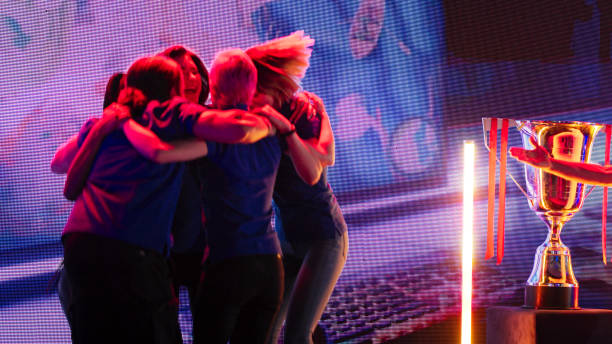
Les écrans LED de la scène esports doivent servir deux publics simultanément: ceux à l'intérieur de la salle et ceux qui regardent à distance. Luminosité, contraste, et les angles de vision doivent s'adapter à l'éclairage de l'arène tout en restant adaptés aux caméras.
Des taux de rafraîchissement élevés et une faible latence prennent en charge la clarté de la diffusion, tandis que les angles de vision larges et le contraste élevé améliorent l'immersion en personne.
Élimination des artefacts de caméra
Les écrans LED professionnels minimisent les motifs de moiré, lignes de balayage, et scintille devant la caméra. Cette fonctionnalité garantit des images nettes pour une distribution mondiale sur les plateformes de streaming et les réseaux sociaux..
De l’assurance matérielle à l’amélioration de l’expérience
Lorsque tous les éléments techniques s'alignent : taux de rafraîchissement, synchronisation, latence, précision des couleurs, et redondance : l'écran LED de la scène disparaît en tant que problème technique et devient une partie intégrante du spectacle esports.
Le public se concentre sur la concurrence. Les diffuseurs diffusent des contenus fluides, flux immersifs. Les organisateurs d'événements sont convaincus que l'ossature visuelle ne tombera pas en panne sous la pression.
Du point de vue du produit, Les écrans LED modulaires conçus pour l'esport font plus que simplement afficher du contenu. Ils protègent la réputation de la marque, améliorer la confiance des téléspectateurs, et élever la valeur globale de la production de l'événement.
Conclusion: Le zéro échec n’est pas une fonctionnalité, C'est un système
Dans les tournois esports de haut niveau, le principal écran LED de scène définit le standard visuel de l'ensemble de l'événement. Atteindre une expérience d'un million de téléspectateurs nécessite plus que des spécifications impressionnantes : cela nécessite un système technique zéro panne construit à partir de zéro..
En privilégiant des taux de rafraîchissement élevés, synchronisation précise, latence ultra faible, et des architectures de signaux entièrement redondantes, Les écrans LED modulaires offrent la fiabilité exigée par les productions d'esports. L'assurance au niveau matériel transforme l'écran LED en un gardien silencieux de l'expérience, prenant en charge à la fois les audiences en direct et les diffusions mondiales sans compromis.
Pour les événements esports visant le plus haut niveau, la vraie compétition commence bien avant que les joueurs ne montent sur scène. Cela commence par la technologie qui garantit chaque image, à chaque instant, et chaque réaction atteint les téléspectateurs exactement comme prévu, sans faille, immédiatement, et sans erreur.