
تمثل البيئات الإعلانية الداخلية تحديات فريدة لأنظمة العرض المرئي. على عكس المساحات الخارجية, حيث يهيمن السطوع في كثير من الأحيان, indoor locations require careful consideration of ambient light, reflections, viewing angles, and proximity to audiences. Indoor LED advertising displays must deliver consistent brightness, vibrant color, and sharp image quality despite fluctuating conditions. Achieving this requires a combination of display technology, environmental adaptation, and operational strategy, ensuring content remains engaging and effective across different lighting scenarios.
Understanding Indoor Lighting Variability
Indoor lighting is highly variable, influenced by artificial light sources, natural sunlight through windows, and reflections from surfaces. Fluorescent, قاد, and halogen lights can cast uneven illumination across advertising spaces. بالإضافة إلى, large windows or glass facades may introduce glare or localized brightness hotspots. Indoor LED advertising displays must compensate for these inconsistencies to prevent washed-out visuals or color distortion. Designers and operators must evaluate the ambient environment before installation, considering light intensity, direction, and color temperature to optimize display performance.
Light reflection from floors, walls, and ceilings adds another layer of complexity. High-gloss surfaces can create reflections that reduce contrast or introduce ghosting effects. Strategically positioning LED displays, selecting anti-glare coatings, and adjusting panel angles are necessary measures. By understanding the behavior of light in a given space, operators can minimize visual interference and ensure that content remains clear and visually striking from multiple viewing points.
Selecting the Right Brightness and Contrast Levels
Brightness is a critical factor for indoor LED displays. While indoor spaces typically require less brightness than outdoor installations, insufficient luminance can render content dim or unreadable, especially in sunlit areas. Conversely, overly bright displays may cause discomfort or draw negative attention. Optimal brightness balances visibility with user comfort, ensuring content remains clear without overwhelming viewers. Contrast ratio also plays a central role, as higher contrast improves clarity for detailed graphics, text, and video content. Advanced LED modules allow precise control over brightness and contrast to suit different indoor lighting conditions.

Managing Viewing Angles for Maximum Impact
Indoor advertising spaces often accommodate viewers from multiple angles. Whether in retail environments, corporate lobbies, أو مراكز النقل, displays must retain clarity for audiences approaching from various perspectives. LED modules designed with wide viewing angles ensure consistent color and image quality. Narrow-angle displays risk distortion or fading for off-axis viewers, reducing engagement and message effectiveness. Positioning displays correctly, combined with module selection, ensures that visual impact remains uniform across the intended viewing area.
Color Accuracy and Consistency in Indoor Spaces
Color fidelity is essential for brand messaging and high-impact visuals. Inconsistent colors can distort logos, promotional materials, and multimedia content. Indoor LED advertising displays use advanced calibration and color management technologies to maintain uniformity across modules. Multi-step calibration processes align RGB channels to prevent uneven color reproduction. Operators benefit from software-driven adjustments, enabling ongoing tuning to account for lighting variations or module aging. Accurate color reproduction strengthens brand identity and enhances viewer engagement in competitive environments.
Reducing Glare and Reflections
Glare and reflections significantly affect the performance of indoor LED displays. Even high-quality modules may appear washed out when sunlight or strong artificial light strikes the screen directly. Solutions include anti-reflective coatings, surface texturing, and strategic positioning to reduce incident light interference. بالإضافة إلى ذلك, adjusting the display tilt or orientation can minimize reflective angles, preserving image contrast and vibrancy. By addressing glare proactively, operators ensure that audiences perceive content as intended, regardless of surrounding light conditions.
Optimizing Content for Indoor Viewing
Content design plays a crucial role in indoor display effectiveness. High-resolution video, clear typography, and vivid graphics are necessary to retain attention. Indoor LED advertising displays benefit from content optimized for shorter viewing distances, emphasizing larger fonts and contrasting colors. Dynamic animations, الرسوم المتحركة, and real-time updates increase viewer engagement, particularly in high-traffic areas. By tailoring content to the environment, operators enhance the return on investment and maximize audience impact.
Thermal Management and Longevity
Indoor environments may seem less harsh than outdoor settings, but heat accumulation remains a concern. Enclosed display enclosures, high-brightness modules, and continuous operation generate heat that can reduce lifespan or affect image stability. Advanced LED advertising displays incorporate thermal management solutions such as passive heat sinks, airflow optimization, and temperature monitoring. Maintaining stable temperatures ensures consistent brightness, prevents component degradation, and extends operational life, making indoor installations more reliable and cost-effective.
Installation and Maintenance Strategies
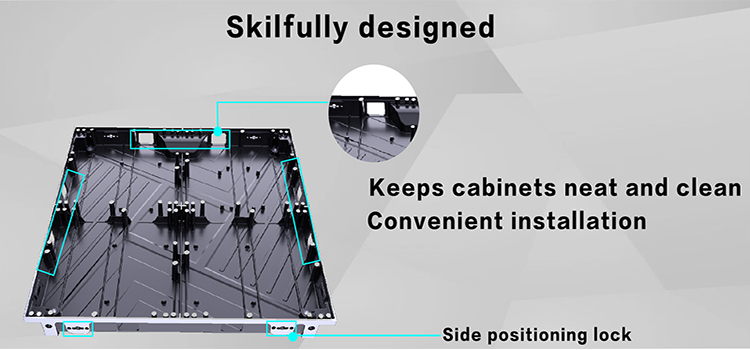
Correct installation is critical to overcoming indoor lighting challenges. Displays must be mounted securely with proper spacing to minimize shadowing or interference from structural elements. Modular designs facilitate alignment and provide flexibility for future upgrades. Easy access for maintenance ensures that brightness, color calibration, and panel alignment remain optimal over time. Software tools allow remote monitoring of system performance, enabling proactive adjustments without interrupting audience engagement.
Adapting to Changing Lighting Conditions
Indoor spaces evolve. Seasonal sunlight changes, new artificial light installations, or interior redesigns can alter viewing conditions. Indoor LED advertising displays must be adaptable. Intelligent display systems allow operators to adjust brightness and contrast dynamically. Sensors can measure ambient light and automatically calibrate output, ensuring optimal visibility throughout the day. This flexibility protects visual integrity and ensures a consistent audience experience, regardless of environmental changes.
Energy Efficiency in Indoor Deployments
Energy efficiency is a growing concern for indoor digital signage. High-efficiency LED modules consume less power while maintaining high brightness. Adaptive brightness control reduces energy use during low-light periods, saving costs and supporting sustainability goals. حديث شاشات إعلانات LED داخلية integrate efficient drivers, intelligent power management, and optimized module layouts to maximize performance per watt. Energy-conscious operation aligns with contemporary environmental expectations while maintaining a premium visual experience.
خاتمة: Achieving Optimal Performance in Indoor LED Advertising Displays
Indoor lighting presents unique challenges for advertising displays, including ambient light variability, glare, viewing angle limitations, and color consistency issues. By selecting the appropriate modules, optimizing installation, and employing advanced calibration and content strategies, operators can achieve high-impact visual performance. Thermal management, كفاءة الطاقة, and adaptability further enhance reliability and long-term value. Indoor LED advertising displays provide versatile, immersive, and brand-strengthening solutions that meet the demands of modern commercial environments. Proper attention to environmental factors, تكنولوجيا, and operational strategy ensures that these displays deliver compelling experiences for audiences in diverse indoor settings.